No products in the cart.




Ergonomic Chairs
 ErgoHuman Staff15 July 20265 Mins read
Gaming Chair vs. Ergonomic Office Chair: Why NZ Professionals are Switching to Mesh
 ErgoHuman Staff15 July 20265 Mins read
Share
For years, gaming chairs were the go-to choice for anyone wanting a chair that looked more serious than a standard office seat. With bold colours, racing-style bucket seats, and aggressive branding, they became a common sight in home offices right alongside gaming setups. But as more New Zealand professionals shift toward long-term remote and hybrid work, a noticeable trend has emerged: many are moving away from gaming chairs entirely in favour of mesh ergonomic office chairs.
This shift isn’t about aesthetics or trends. It comes down to how each chair performs across a genuine eight-hour (or longer) workday, and the physical toll that mismatched seating can take over months and years of daily use.
Why Gaming Chairs Became So Popular in Home Offices
When remote work surged, many people already owned a gaming chair or found them widely available, affordably priced, and visually appealing compared to typical office seating. Gaming chairs offered:
- A bold, modern look that stood out from bland office furniture
- High side bolstering that felt supportive when first sitting down
- Reclining functionality marketed heavily toward comfort
- Widespread availability through gaming and tech retailers
For short gaming sessions, these features make sense. Racing-style bucket seats were originally designed to hold a driver firmly in place during quick, high-intensity movements, not to support hours of static desk work. This distinction matters far more than most buyers initially realise.
Where Gaming Chairs Fall Short for Professional Desk Work
While gaming chairs may feel comfortable during the first few sits, several design elements that work well for gaming sessions become problematic during long professional workdays.
Foam Padding Loses Support Over Time
Most gaming chairs use high-density foam padding designed for short-to-medium sitting sessions. Over months of daily eight-hour use, this foam frequently compresses and loses its supportive shape, leading to a flatter, less supportive seat.
Limited Breathability
Gaming chairs are typically upholstered in PU leather or synthetic leather-style materials. While visually sleek, these materials trap heat, becoming uncomfortable during long sitting sessions, particularly in warmer months or poorly ventilated home offices.
Fixed Bucket-Seat Shape
The racing-inspired bucket seat design that provides side support during gaming often restricts natural movement during desk work, where subtle shifts in position throughout the day are important for circulation and comfort.
Limited Genuine Ergonomic Adjustability
Many gaming chairs advertise adjustable armrests and recline, but often lack true ergonomic features like adjustable lumbar depth, seat depth sliding, or a synchronized tilt mechanism designed around natural spinal movement.
Recline Mechanisms Built for Breaks, Not Support
While gaming chairs often recline further than office chairs, this feature is generally intended for short breaks rather than providing genuine back support during active working posture.
Why Mesh Ergonomic Chairs Are Gaining Ground in NZ
As more professionals notice discomfort building over weeks and months in a gaming chair, mesh ergonomic office chairs have become the preferred alternative, particularly for full-time desk-based roles. Several factors are driving this shift.
Breathability for New Zealand’s Climate
Mesh backing allows constant airflow, preventing the heat build-up common with PU leather gaming chairs. This makes a noticeable difference during warmer months or in home offices without air conditioning.
Genuine Ergonomic Adjustability
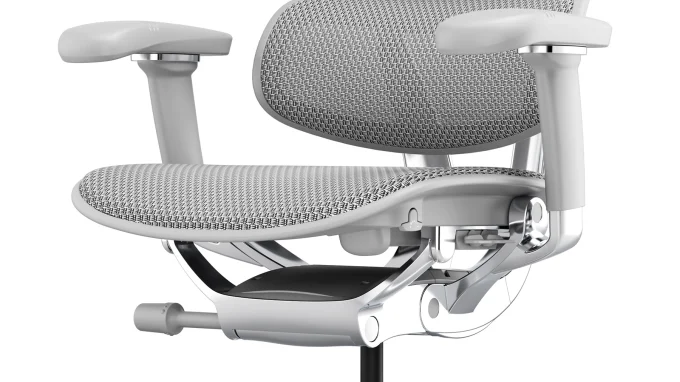
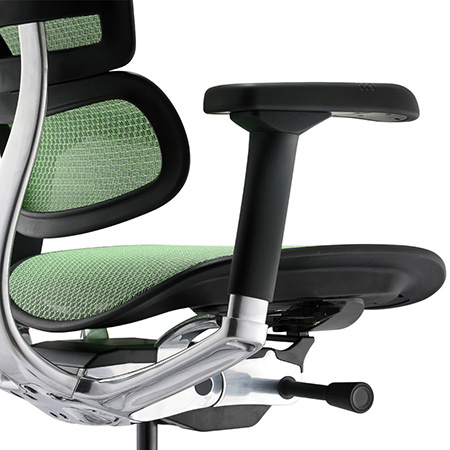
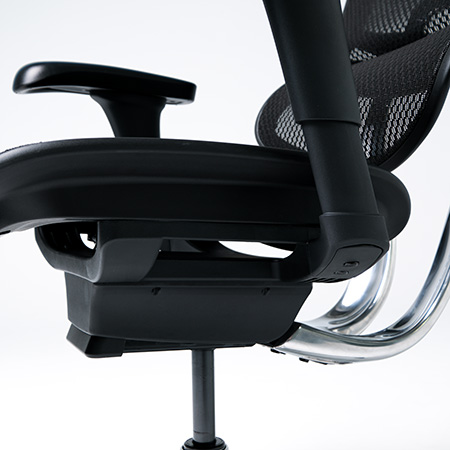
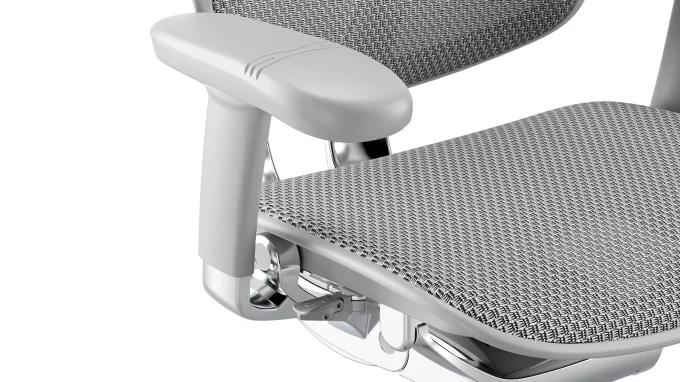
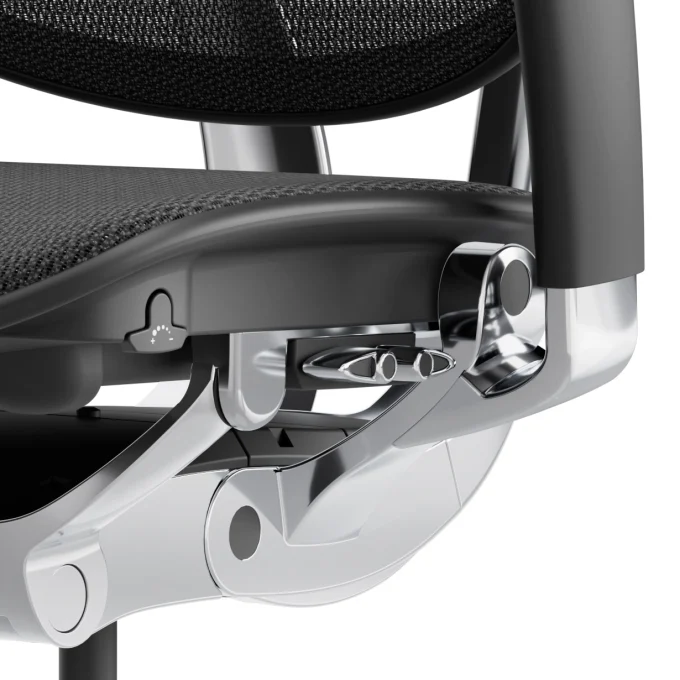
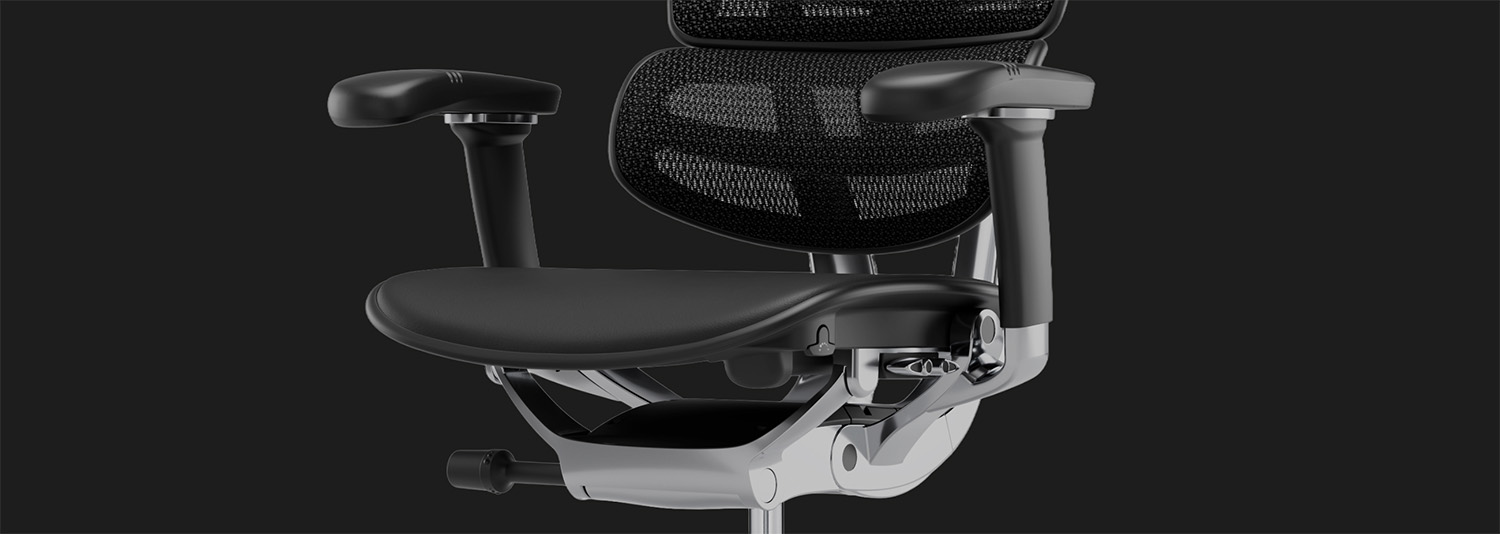
Quality mesh office chairs typically include adjustable lumbar support, seat depth adjustment, synchronized tilt mechanisms, and multi-directional armrests, features specifically engineered around supporting the spine during long, active sitting sessions rather than short bursts of intense movement.
Consistent Long-Term Support
Mesh backing maintains its tension and shape far better than foam padding over years of daily use, reducing the sagging and flattening commonly seen in gaming chairs after extended ownership.
Professional Appearance
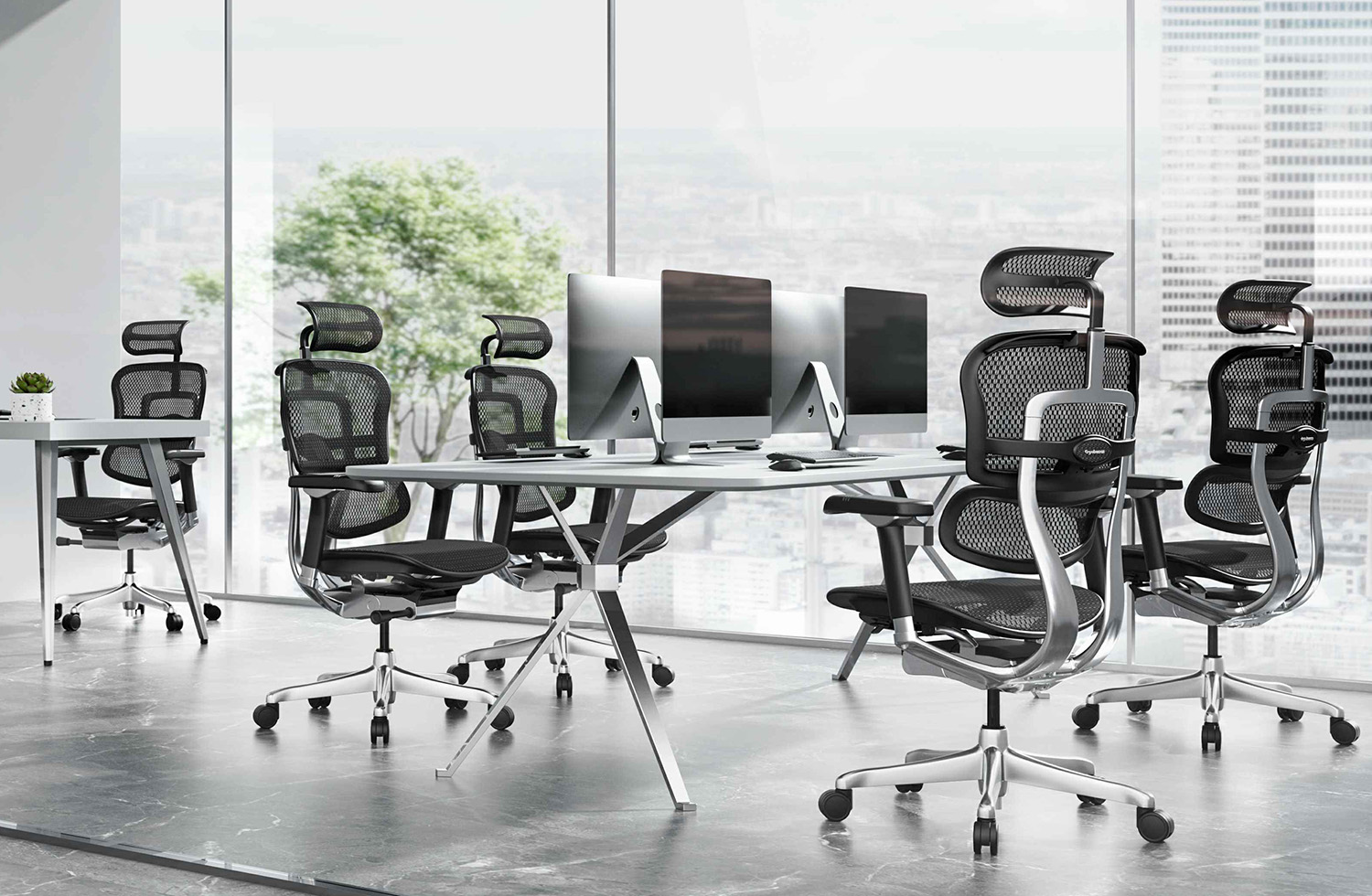
As hybrid work increasingly involves video calls with clients or colleagues, mesh ergonomic chairs offer a more professional visual backdrop compared to bold gaming chair branding and colours.
Designed Specifically for Static, Focused Work
Unlike gaming chairs built around quick, reactive movement, mesh ergonomic chairs are designed with prolonged, focused desk work in mind, aligning closely with how most professional roles actually use a chair throughout the day.
Side-by-Side Comparison
| Feature | Gaming Chair | Mesh Ergonomic Office Chair |
|---|---|---|
| Primary design purpose | Short, reactive gaming sessions | Long, static professional desk work |
| Material breathability | Low (PU leather) | High (breathable mesh) |
| Long-term cushion support | Compresses over time | Mesh retains tension longer |
| Lumbar adjustability | Often fixed or basic | Fully adjustable in most models |
| Seat depth adjustment | Rarely available | Commonly available |
| Professional appearance | Bold, gaming-focused | Neutral, office-appropriate |
| Best suited for | Casual or short-session use | Full-time desk-based work |
Who Should Consider Switching
Not every gaming chair owner needs to switch immediately, but certain signs suggest it’s time to consider a mesh ergonomic alternative:
- You sit for six or more hours per day at a desk
- You’ve noticed increased back or neck discomfort since switching to remote or hybrid work
- Your current chair feels noticeably less supportive than when you first purchased it
- You frequently feel warm or uncomfortable in your chair during longer sitting sessions
- Your work involves regular video calls where chair appearance matters professionally
If several of these apply, a mesh ergonomic chair is likely to provide a meaningfully better experience for daily professional use.
What to Look for When Making the Switch
For professionals ready to move from a gaming chair to a mesh ergonomic office chair, prioritise the following features:
Adjustable Lumbar Support
Look for lumbar support that adjusts in both height and depth, allowing it to match your individual spine curve rather than offering a single fixed position.
Synchronized Tilt Mechanism
This allows the seat and backrest to recline together at a natural ratio, supporting subtle movement throughout the day without sacrificing support.
Breathable, Durable Mesh
Higher-quality mesh maintains its tension over years of use rather than stretching or sagging prematurely.
Seat Depth Adjustment
This ensures proper thigh support without pressure behind the knees, particularly important for taller or shorter users outside average sizing.
Adjustable Armrests
3D or 4D armrests allow precise positioning relative to desk height, reducing shoulder and wrist strain during typing-heavy work.
Making the Transition Comfortably
Switching from a gaming chair to a mesh ergonomic office chair can feel different initially, particularly if you’re used to the enclosed, bolstered feel of a bucket seat. This adjustment period is normal and typically resolves within the first week or two as your body adapts to a more neutral, supportive seated posture.
To ease the transition:
- Start with shorter sitting sessions in the new chair, gradually increasing over the first few days
- Take time to properly adjust lumbar support, seat depth, and armrest height rather than using default settings
- Pay attention to posture cues, allowing the chair’s tilt mechanism to support natural movement rather than sitting rigidly upright
- Compare how you feel at the end of the workday after the first week, most users notice reduced discomfort fairly quickly
Final Thoughts
While gaming chairs served their purpose during the early shift to remote and hybrid work, the comparison between a gaming chair vs ergonomic office chair becomes clear once daily comfort and long-term support are properly considered. For New Zealand professionals spending genuine full workdays at a desk, mesh ergonomic chairs offer better breathability, genuine adjustability, and longer-lasting support, making them an increasingly popular switch across home offices and workplaces alike.
Considering the switch to a mesh ergonomic chair? Get in touch with our team to explore options built specifically for long, professional working days, and find the right fit for your workspace and working style.
Related Articles

Ergonomic ChairsErgoHuman Staff28 September 2026
Ergohuman Office Chair NZ: Which Ergohuman Chair Is Best for You?
Choosing an Ergohuman office chair NZ workers will be happy with for...
ErgoHuman Staff28 September 2026
Ergonomic ChairsErgonomic TopicsErgoHuman Staff3 September 2026
Posture Chair NZ: How to Choose an Office Chair for Better Posture
Most people searching for a posture chair NZ retailers' stock are really...
ErgoHuman Staff3 September 2026
Ergonomic ChairsErgonomic TopicsErgoHuman Staff2 September 2026
How to Choose an Ergonomic Office Chair for Working 8–10+ Hours a Day
If your workday regularly stretches past eight hours, your chair is not...
ErgoHuman Staff2 September 2026

Ergonomic ChairsErgonomic TopicsErgoHuman Staff1 September 2026
Ergonomic Office Chair Features Explained: Which Adjustments Actually Matter?
Most ergonomic office chairs list a long spec sheet of adjustments seat...
ErgoHuman Staff1 September 2026



