Most office chairs are built around an average-sized user, and that is where the trouble starts for anyone shorter. If you have ever sat down and found your feet dangling, the seat edge pressing into the backs of your knees, or the lumbar support sitting somewhere near your ribs, the chair was probably never designed with your proportions in mind.
So what is the best office chair for short people NZ buyers should look for? One with a low enough minimum seat height to keep your feet flat on the floor, a seat depth that leaves clearance behind the knees, lumbar support that adjusts to your lower back, and armrests that sit where your arms naturally rest. A smaller chair such as the Skate Compact Mesh Fabric Combo is worth considering, but your own measurements should always make the final call.
This guide covers what goes wrong with standard chairs, what to check before buying, how to measure yourself and how to set a chair up once it arrives.
Why Can Standard Office Chairs Be Uncomfortable for Short People?
Seat height, seat depth and backrest height all assume a certain leg length and torso. When yours are shorter, each of those assumptions can miss by a few centimetres, and the misses add up over a working day.
When the Seat Height Is Too High
If a chair cannot lower far enough, your feet hang or rest on tiptoes and your thighs take pressure from the seat edge. It also becomes hard to settle into a stable position. The minimum seat height matters just as much as the maximum, because it decides whether you can keep your feet flat on the floor. A footrest can help in some setups, but it is a workaround rather than a substitute for a chair that fits.
When the Seat Is Too Deep
A deep seat forces a choice. Either you perch forward, away from the backrest, or you sit back and the seat edge presses behind your knees. An adjustable office chair seat depth, usually a sliding seat pan, lets you match the seat to your leg length.
When Lumbar Support Does Not Line Up Correctly
Lumbar support only helps when it meets the inward curve of your lower back. On a shorter torso, a fixed lumbar bulge can land too high, so you end up leaning on the wrong part of the backrest. Adjustable lumbar height lets you move the support to where it belongs.
What Should Short People Look for in an Office Chair?
Before comparing models, it helps to know which specifications matter. Our guide to ergonomic office chair adjustment features explains how each adjustment works. The points below are the ones shorter users should prioritise.
A Suitable Minimum Seat Height
Check the lowest seat-height setting, not just the overall range. You want both feet flat on the floor with your knees roughly level with your hips, without sliding forward on the seat. Leg length varies from person to person, so there is no single ideal height. The measuring section below will help you find yours.
Adjustable Seat Depth
Look for a small gap between the front of the seat and the back of your knees, with your thighs supported along most of their length. A sliding seat pan makes this easier to achieve. Adjustable depth is not the same as a genuinely short seat, though, so check the actual measurements and the adjustment range.
Adjustable Lumbar Support
Choose a chair with adjustable lumbar height and, ideally, adjustable pressure. That lets the support sit in your own lower-back area and feel firm enough without pushing you forward.
Armrests That Can Be Positioned Correctly
Armrests set too high lift the shoulders, and armrests set too wide pull the arms outward. Look for adjustable height and width, plus some depth or angle movement, so your forearms can rest lightly while your shoulders stay relaxed.
Overall Chair Size and Seat Width
Shorter people often have a smaller frame as well, so seat width and backrest size matter too. A wide seat and tall backrest can leave you feeling swallowed by the chair. Height alone does not determine the right size.
How to Measure Yourself Before Buying an Office Chair
Five minutes with a tape measure is worth more than any size label. Measure in the shoes you normally wear at your desk, and do not assume your numbers match anyone else’s.
Measure Your Lower Leg Length
Sit with your feet in a natural position and measure from the floor to the underside of your knee. This gives you a reference point when you compare it with a chair’s minimum seat height.
Check Your Thigh Length
Measure from the back of your hips to the back of your knee. Comparing this with the seat depth shows whether you will have clearance behind your knees.
Check Your Sitting Height and Back Support
Note where your lower back curves inward when you sit tall. Torso length affects where the lumbar support and the top of the backrest will fall relative to your body.
Check the Desk Height Too
A chair cannot be judged in isolation. If your desk is too high, you may raise the seat to reach it and lose your foot support, however well the chair adjusts. Measure your desk and consider whether it can be lowered, or whether a footrest makes sense.
How to Adjust an Office Chair for a Shorter Body Frame
Individual fit varies, so follow the chair’s own instructions and work through the adjustments in this order:
Set the seat height so your feet are fully supported on the floor.
Adjust seat depth, if available, so there is comfortable clearance behind your knees.
Adjust the armrests so your forearms rest lightly at desk height.
Check that the backrest supports you comfortably while you sit back.
Recheck your workstation, including desk height and screen position, once the chair is set.
Good adjustment improves fit, but it cannot promise to remove discomfort. If you have ongoing pain, speak to a health professional.
Are Compact Office Chairs Better for Short People?
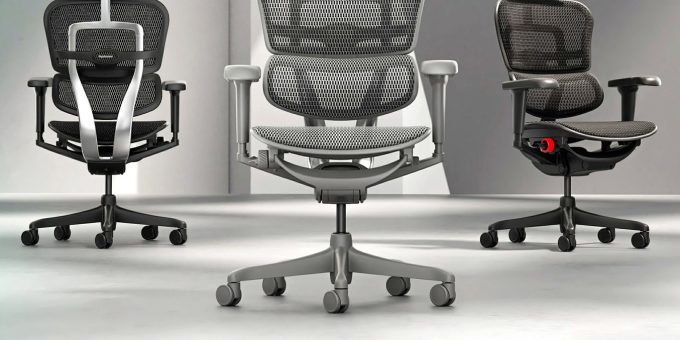
A compact chair is built smaller overall than a standard full-size model. That can make it a better starting point if standard chairs feel too big, especially in a small home office or a shared corner of the house.
The Skate Compact Mesh Fabric Combo is one example of this approach, designed for smaller spaces and people who need a smaller chair.
You can browse the compact office chair range to see what is available. Even so, compact does not automatically mean it fits. You still need to check seat height, seat depth, seat width, backrest position and the adjustments on offer.
Is the Skate Compact Mesh Fabric Combo Worth Considering?
Ergohuman New Zealand describes the Skate Compact Mesh Fabric Combo as a compact ergonomic office chair with a mesh back and a cushioned fabric seat. The product page lists these features:
Mesh backrest with a cushioned fabric seat
Lumbar area adjustable for height and pressure
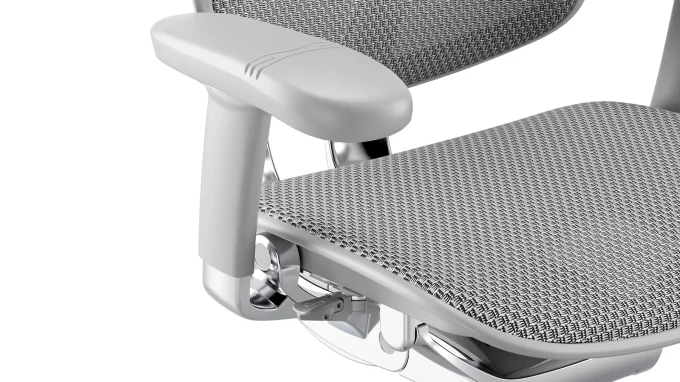
2D adjustable armrests
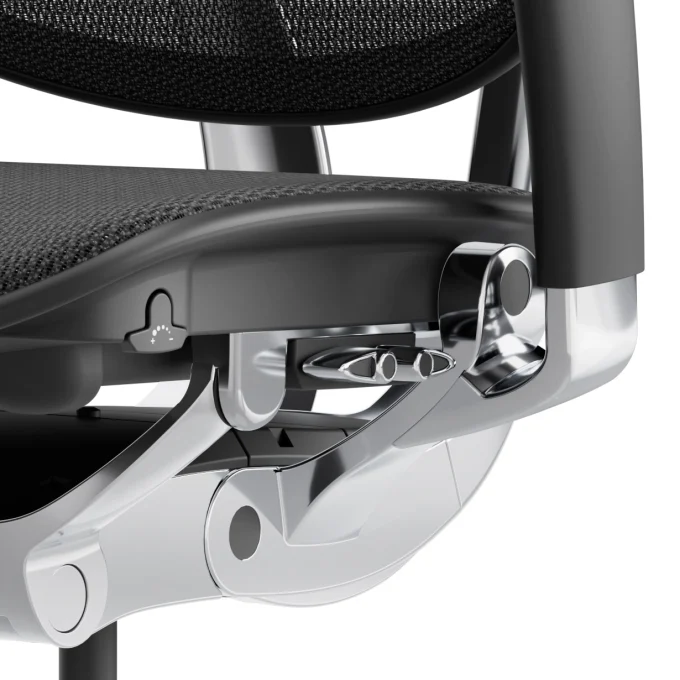
Recline that automatically returns to upright when not in use
For a shorter user, adjustable lumbar height is useful because it lets you line the support up with your own lower back. Adjustable armrests help you fit the chair to your desk, and the fabric seat suits anyone who prefers a cushioned surface to mesh.
Be aware of what the product page does not state. It does not list a minimum seat height, seat depth or seat width, and it does not list adjustable seat depth. Compare your own measurements before buying, and ask the team if you need help confirming fit. No single chair suits every shorter person.
Common Mistakes Short People Should Avoid When Buying an Office Chair
Most fit problems come from a handful of avoidable mistakes:
Choosing a chair on appearance alone
Looking at maximum seat height instead of minimum seat height
Ignoring seat depth
Assuming adjustable height automatically means a good fit
Overlooking where the lumbar support sits
Forgetting desk height and armrest clearance
Buying a compact chair without checking its dimensions
Assuming every ergonomic chair suits every body type
The fix is the same each time: measure yourself first, then check the chair’s specifications against those numbers.
Final Tips for Choosing the Best Office Chair for Short People in New Zealand
The right chair depends on your own leg length, thigh length, seat height, seat depth and back support. Look past labels like “compact” or “ergonomic” and check the specifications directly.
If you need a smaller chair, the Skate Compact Mesh Fabric Combo is an option worth comparing against your measurements. Take your numbers, check the listed features and make sure the chair works with your desk.
Need Help Finding the Right Office Chair?
If you are unsure about measurements, seat height or whether a chair will suit a smaller frame, we are happy to help. Feel free to contact the Ergohuman New Zealand team with your questions before you decide.




 ErgoHuman Staff20 October 20266 Mins read
 ErgoHuman Staff20 October 20266 Mins read