Most office chairs are built around an “average” body, and for taller or heavier users that average simply doesn’t hold up. Seats flex, gas lifts sag early, and armrests sit in the wrong place — not because the chair is faulty, but because it was never engineered for the load. If you’re searching for a genuine heavy duty ergonomic office chair, the goal isn’t to find the most expensive chair on the market — it’s to understand exactly which specifications matter for your body weight and frame, and buy accordingly.
This guide walks through what actually makes a chair heavy duty, not just marketed that way, so you can make a confident decision whether you’re furnishing a home office or a full workplace in New Zealand.
What “Heavy Duty” Actually Means
A lot of office chairs use “ergonomic” and “heavy duty” as marketing labels rather than engineering standards. A genuine heavy duty ergonomic chair should meet or exceed recognized structural testing, not just claim a higher weight rating on a spec sheet.
The most relevant benchmark here is the BS 5459 heavy duty standard, which certifies a chair for extended, 24-hour use at a rated body weight — a far more demanding test than the standard EN1335 rating most office chairs are built to. If you’re specifically shopping for a heavy duty office chair NZ conditions and long working hours call for, checking whether a chair holds this kind of independent certification tells you far more than the word “heavy duty” printed on a listing.
1. Weight Rating: Don’t Just Look at the Number
The most obvious spec to check is maximum body weight, and it’s a good starting point but the number alone doesn’t tell the whole story. A chair rated to 150kg that barely scrapes past that figure in testing will feel and perform very differently to a chair engineered with real margin above its rated capacity.
Look for:
A clearly stated maximum body weight, ideally 150kg or higher
Testing against a recognised standard, not just an internal claim
Consistency across the gas lift, base, frame, and mechanism not just the upholstery
For heavier and larger-framed users, seat dimensions matter just as much as the weight rating. A seat that’s too narrow creates pressure points on the hips and thighs, while a seat that’s too shallow leaves the thighs unsupported.
When comparing an ergonomic office chair for heavy person use, check the seat’s width and depth in centimetres, not just a general size label like “large.” A chair with a genuinely wide seat pan and supportive waterfall front edge will distribute weight more evenly and reduce pressure under the thighs during long sitting sessions.
3. Gas Lift Cylinder Class
The gas lift cylinder is one of the most commonly overlooked components, yet it’s the part under the most direct load. Gas lifts are rated in classes, and a Class 3 cylinder (common on budget chairs) is not built for the same load or duty cycle as a Class 4 heavy-duty cylinder.
If a retailer can’t tell you the cylinder class or rated capacity, treat that as a red flag rather than a technicality — it’s one of the most common failure points on chairs that aren’t genuinely built for heavier users.
4. Frame and Base Strength
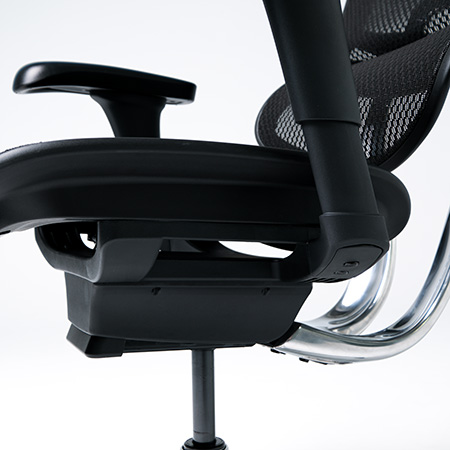
A five-star base and reinforced frame matter more as body weight increases. Look for:
A metal or reinforced composite five-star base rather than lightweight plastic
A solid internal frame, not just a padded shell
Castors rated for the chair’s full weight capacity, particularly if you’re on hard flooring
The base is what carries the load every time you sit down, stand up, or shift position, so this is not a place to compromise for a lower price point.
5. Lumbar Support and Adjustment
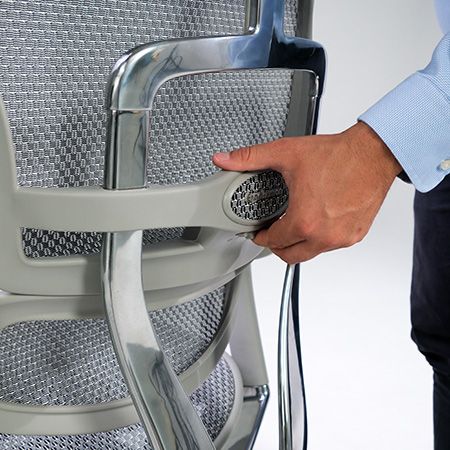
Lumbar support becomes even more important for heavier users, since more body weight typically means more pressure through the lower spine over the course of a working day. Look for lumbar support that adjusts in both height and depth (pressure), so it can be positioned precisely against your natural curve rather than relying on a fixed pad.
Both the Ultra Mesh Grey and the Elite Platinum Mesh II Pink include adjustable lumbar pressure as standard, letting you dial in support rather than settling for a one-size-fits-all pad.
6. Recline Mechanism and Tension Control
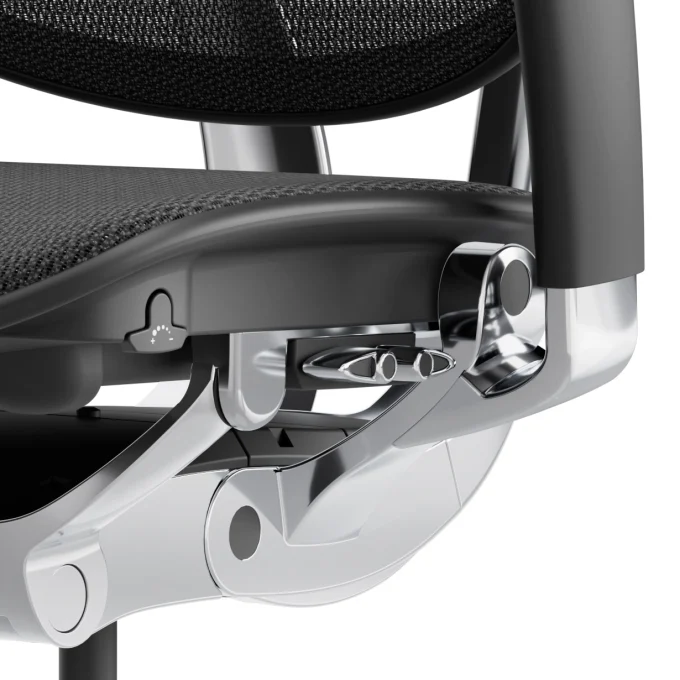
A synchro-tilt mechanism with adjustable tension is essential for a heavy duty ergonomic chair, because the tension needs to be matched to your actual body weight to feel controlled rather than either too stiff or prone to falling backward. Look for:
Tension adjustment on the recline
A lockable recline at your preferred angle
Forward tilt for close desk work
Chairs without proper tension adjustment often feel unstable for heavier users specifically because the mechanism wasn’t designed with a wider weight range in mind.
7. Armrest Adjustment
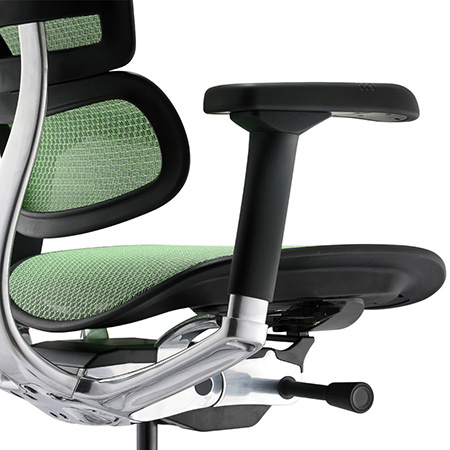
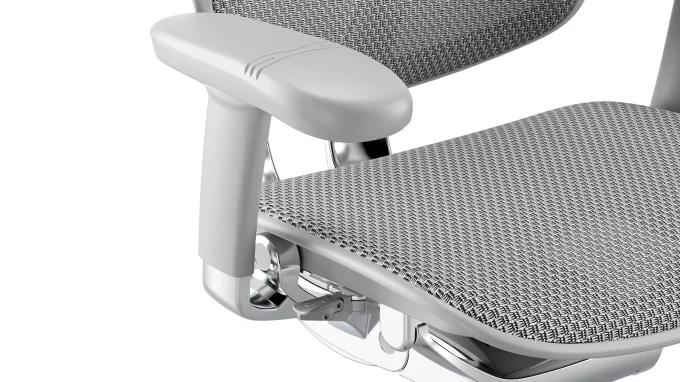
Multi-dimensional armrests matter for every body type, but they matter more for larger frames, where a fixed or narrow armrest position can push the elbows into an unnatural angle. Look for 4D or 5D armrests that adjust for height, width, depth, and angle, so your arms can rest naturally regardless of your build or desk height.
8. Long-Term Use and Build Quality
A heavy duty office chair NZ buyers can rely on daily needs to hold up under repeated, extended use, not just perform well in the showroom. This comes down to:
Warranty length — look for at least 5–10 years on the frame and mechanism
Certification for extended-hours use, such as the BS 5459 standard
Materials that resist wear under sustained load, particularly the seat foam and mesh tension
A 10-year warranty on the frame and mechanism, like the one backing every Ergohuman chair, is a strong signal that the manufacturer has actually engineered for long-term, heavy use rather than short-term appearance.
Which Ergohuman Chair Suits Which Buyer
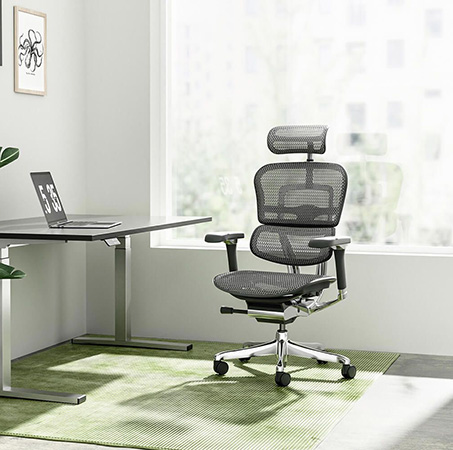
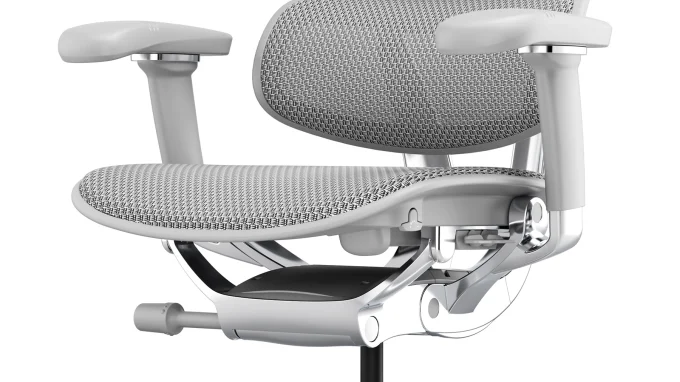
Choose the Ergohuman Ultra Mesh Grey if you want a clean, contemporary mesh chair with a 150kg weight rating, adjustable lumbar pressure, and four-way armrest adjustment for a home or corporate office.
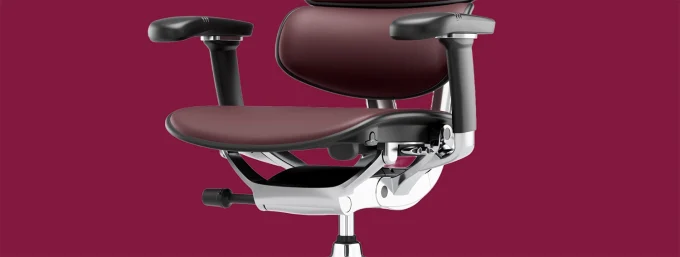
Choose the Ergohuman 2 Elite Platinum Mesh II Pink if you want the newer chassis design with 5D armrests, seat tension control, and independent headrest adjustment, in a distinctive colourway.
Still deciding? Both chairs share the same 150kg rating, adjustable lumbar support, and synchro-tilt mechanism, so the decision largely comes down to armrest preference, styling, and whether you want the newer Elite Mark II chassis.
A Quick Checklist Before You Buy
Is the weight rating clearly stated and at least 150kg?
Is the chair certified to a recognised heavy-duty standard, not just labelled as one?
Are the seat width and depth suited to your frame?
What class is the gas lift cylinder rated to?
Is the base metal or reinforced, not lightweight plastic?
Does the lumbar support adjust in height and depth?
Is the recline tension adjustable and lockable?
Are the armrests multi-dimensional (4D/5D)?
Is the warranty at least 5–10 years on the frame and mechanism?
Final Thoughts
Buying a genuine heavy duty ergonomic office chair comes down to checking the specifications that actually carry the load — weight rating, gas lift class, frame strength, and seat sizing rather than relying on marketing language alone. Both the Ergohuman Ultra Mesh Grey and the Ergohuman 2 Elite Platinum Mesh II Pink are built to a 150kg rating with a 10-year warranty, giving you ergonomic adjustability without compromising on durability.
Not sure which model fits your body and your workspace? Get in touch with our NZ team and we’ll help you find the right chair. You can also browse the full range at ergohuman.co.nz.




 ErgoHuman Staff29 August 20265 Mins read
 ErgoHuman Staff29 August 20265 Mins read