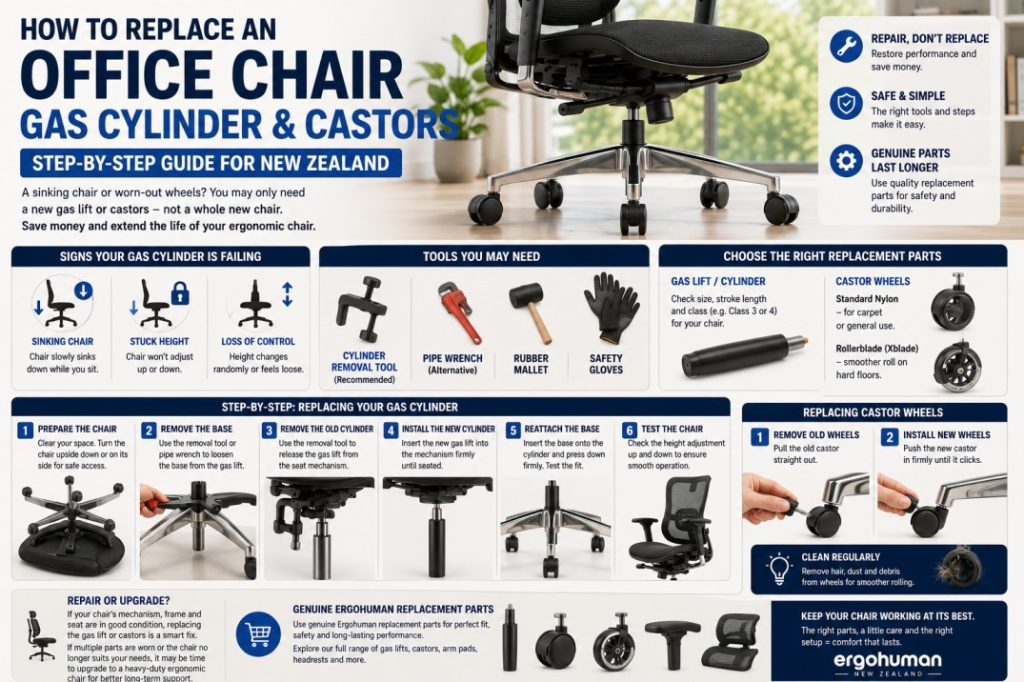
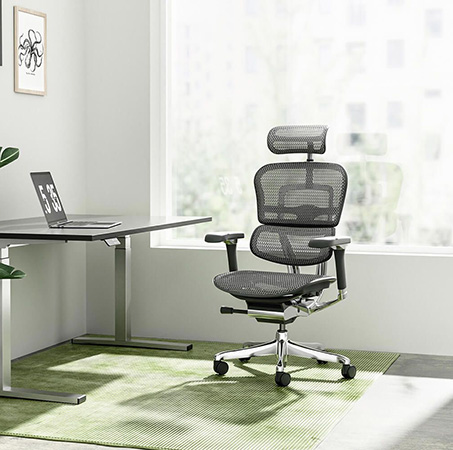
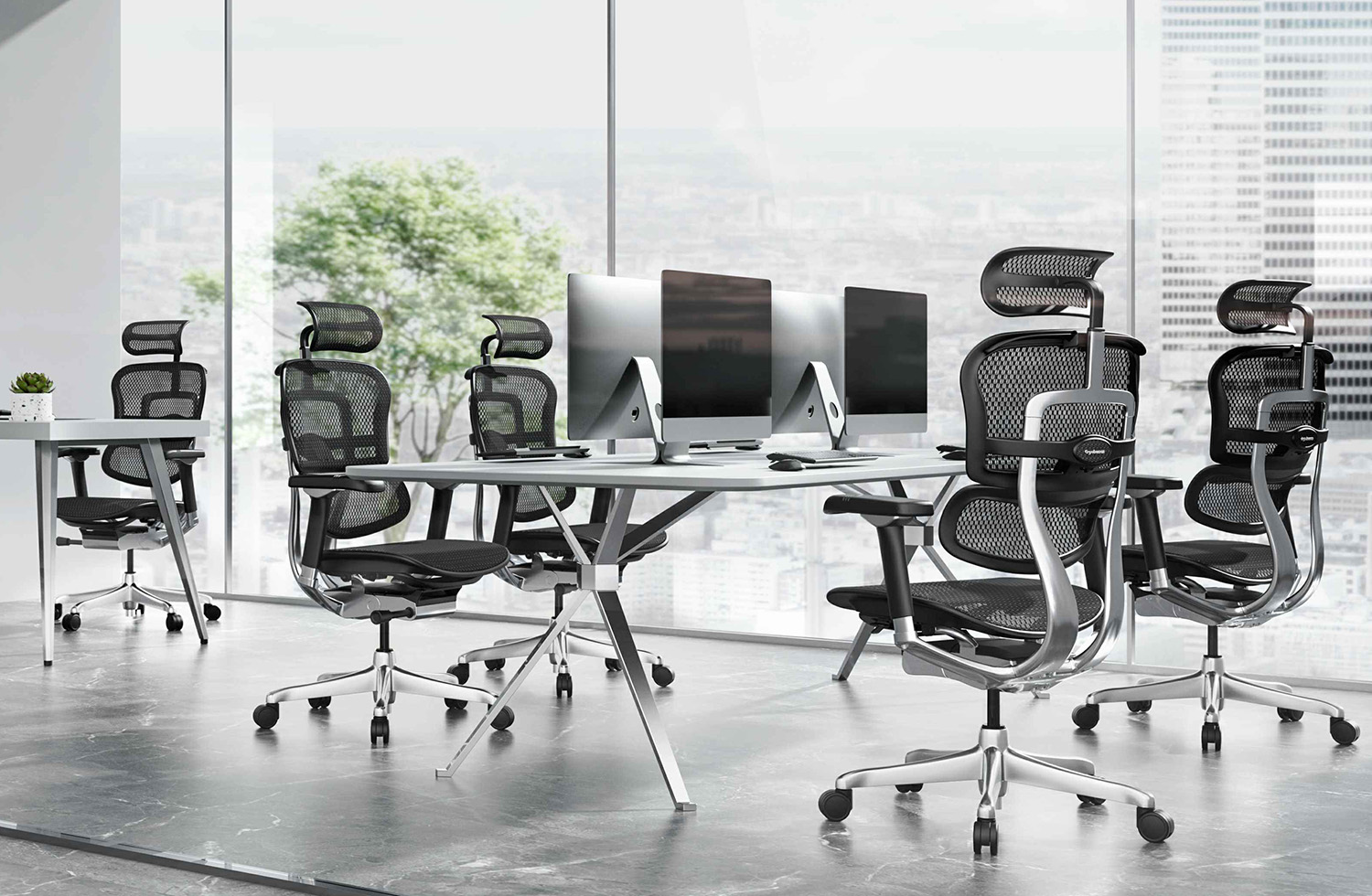
Knowing how to complete an office chair gas cylinder replacement NZ can save a perfectly usable ergonomic chair from being unnecessarily discarded. A chair that slowly sinks during the working day, refuses to stay at the selected height or has castor wheels that no longer roll smoothly may not need complete replacement. At Ergohuman New Zealand, genuine replacement components are available for many Ergohuman models, making it possible to refresh high-wear parts and extend the useful life of a quality ergonomic chair. Understanding how gas lifts and castors work can help you decide whether a simple repair is appropriate or whether it is finally time to upgrade your entire chair.
Gas cylinders and castor wheels are among the hardest-working components on any office chair. The gas lift supports the chair and controls seat height every time you sit down or make an adjustment, while the castors constantly handle movement across carpet, hard flooring and office mats. After years of regular use, both components can eventually show signs of wear.
This New Zealand guide explains how to recognise a failing gas lift, approach chair gas lift replacement safely, choose suitable replacement components and determine when replacing an individual part makes more sense than purchasing a new chair.
What Is an Office Chair Gas Cylinder?
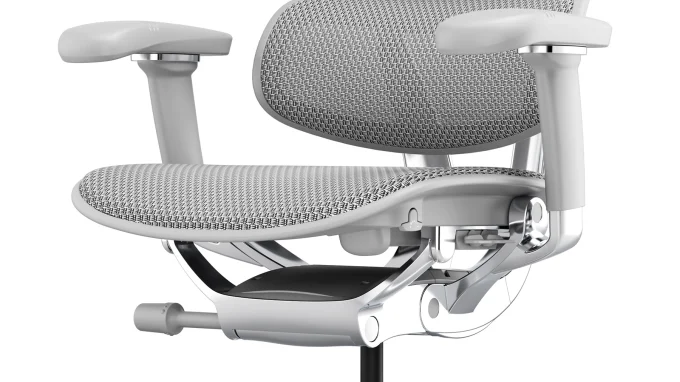
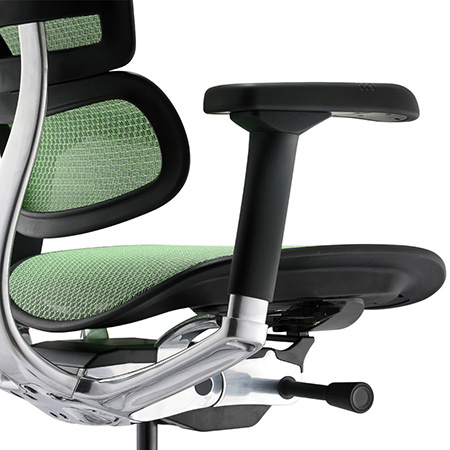
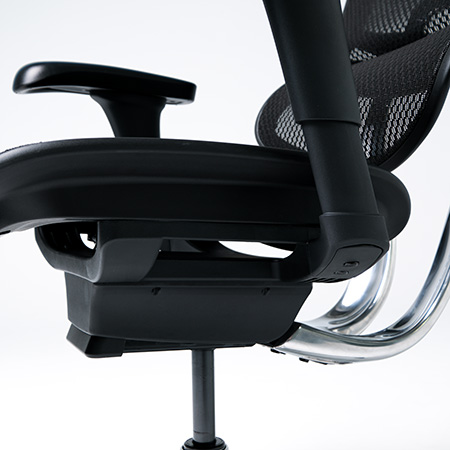
An office chair gas cylinder, often called a gas lift, is the vertical component connecting the seat mechanism to the chair base.
Its job is to support the seat while allowing you to raise or lower the chair using the height-adjustment lever. When the lever activates the mechanism at the top of the cylinder, the seat height can be changed depending on whether weight is being applied to the chair.
A functioning gas lift should hold the chair securely at the selected height.
Because the cylinder carries load every time the chair is used, it is considered a wear component. A high-quality gas lift can remain functional for many years, but seals and internal components can eventually deteriorate.
When that happens, an office chair gas cylinder replacement NZ is often considerably more practical than replacing an otherwise well-functioning ergonomic chair.
Signs Your Office Chair Gas Cylinder Is Failing
The classic symptom of gas-lift failure is a chair that gradually sinks after you sit down.
You adjust the seat to the correct working height, begin using the chair and then notice twenty or thirty minutes later that you are sitting lower than before. You raise the chair again, only for the same thing to happen.
This usually indicates that the gas lift can no longer maintain the required pressure internally.
Another common symptom is a chair that remains permanently at one height. Activating the adjustment lever may produce little or no movement even when your body weight is removed from the seat.
Occasionally, a height-adjustment problem may instead involve the chair mechanism or the lever that activates the gas lift. It is therefore worth inspecting the chair before automatically ordering a replacement cylinder.
If the adjustment lever is operating correctly but the chair repeatedly sinks under normal use, chair gas lift replacement is usually the next component to investigate.
Is It Safe to Replace an Office Chair Gas Cylinder Yourself?
Many office chair gas cylinders can be replaced without dismantling the entire chair, but it is important to remember that a gas lift is a sealed pressurised component.
Never drill, cut, puncture, burn, heat or attempt to open a gas cylinder.
You are replacing the complete sealed unit, not repairing its internal mechanism.
If the cylinder is damaged, badly corroded or physically deformed, professional assistance is preferable to experimenting with removal techniques.
The replacement process normally involves separating the cylinder from the chair mechanism and base, then installing a compatible new unit.
Gas cylinders are commonly held in position by a tapered friction fit rather than conventional screws. Years of pressure can make that fit extremely tight, which is why removal can sometimes require a dedicated cylinder-removal tool or an appropriate gripping tool.
How Office Chair Gas Cylinder Replacement Works
Before beginning an office chair gas cylinder replacement NZ, clear enough working space to safely place the chair on its side or upside down without damaging the armrests, headrest or surrounding furniture.
The first objective is to separate the chair base from the old gas lift.
Depending on the chair and how long the cylinder has been installed, the base may release relatively easily or may require more controlled effort. The tapered connection can become tightly seated after years of normal chair use.
Once the base is separated, the remaining cylinder needs to be removed from the seat mechanism.
A dedicated cylinder-removal tool can make this process easier because it is designed specifically to release the tapered connection without requiring extensive dismantling.
Another common approach involves carefully gripping the old cylinder with a suitable pipe wrench and rotating it to break the friction fit.
The important point is that the old cylinder is being removed as one complete sealed component.
Never attempt to open the cylinder itself.
Using a Gas Cylinder Removal Tool
A purpose-designed removal tool is often the cleaner option when a cylinder is particularly difficult to release.
The tool works by applying controlled force to the connection between the gas lift and chair mechanism rather than requiring you to dismantle the pressurised cylinder.
This can be useful on older ergonomic chairs where the cylinder has remained installed for many years.
Ergohuman owners should always check which replacement method is appropriate for their specific model before beginning work. Using excessive force against the wrong part of the mechanism can turn a straightforward replacement into avoidable damage.
If you are uncomfortable working with the component or the cylinder refuses to move with reasonable effort, contacting support is safer than progressively using more aggressive tools.
Installing the Replacement Gas Lift
Once the old cylinder has been completely removed, installation of the new unit is generally much simpler.
The replacement gas lift fits into the centre of the chair base, and the upper end then connects with the seat mechanism.
Because these connections rely on tapered friction fittings, the weight of the chair and user helps seat the components securely during normal use.
Before sitting down, confirm that the cylinder is centred correctly and that the chair base and seat mechanism are properly aligned.
Test the height adjustment carefully after installation.
The chair should raise when weight is removed and the adjustment lever is activated. It should lower in a controlled manner when the user is seated and the lever is operated.
Most importantly, the new cylinder should maintain the selected seat height during ordinary use.
Choosing the Correct Replacement Gas Lift
Not every office chair gas cylinder is identical.
Overall cylinder length, travel distance, fitting dimensions and intended chair model can affect compatibility. A cylinder that physically looks similar may not necessarily place the chair at the correct sitting height.
This becomes especially important when shopping for generic parts online.
Gas lifts are also commonly described by performance classes, with Class 3 and Class 4 among the terms buyers encounter. Higher classifications are often associated with heavier-duty construction, but the class number alone should not determine your purchase.
Compatibility with the actual chair is more important.
The correct chair gas lift replacement should match the chair model, expected seat-height range and manufacturer’s requirements.
For Ergohuman owners, using a compatible genuine replacement component removes much of this uncertainty because the part has been selected for the corresponding chair range.
Standard Height vs Shorter Gas Cylinders
Cylinder length can also influence the usable seat-height range.
Some users prefer a slightly lower chair because of their height, desk setup or leg proportions, while others require the standard seating range supplied with the chair.
This is why gas cylinders can sometimes be offered in different travel lengths.
Replacing an existing cylinder is therefore a good opportunity to confirm that the previous chair height actually suited you.
If the original chair always felt slightly too high even at its lowest setting, simply replacing the cylinder with an identical height may reproduce the same ergonomic limitation.
The correct choice should allow your feet to sit securely while your desk and armrests remain at a comfortable working level.
How to Replace Office Chair Castor Wheels
Castors are generally much easier to replace than gas cylinders.
Most office chair castors use stems that push directly into sockets in the chair base. This allows the old wheel to be pulled out and the replacement pushed firmly into position.
Before ordering anything, however, confirm that the replacement castor stem is compatible with your chair.
For castor wheel replacement NZ, it is also worth examining the old wheels before assuming they need to be discarded.
Hair, carpet fibres and dirt commonly wrap around castor axles. This can make perfectly functional wheels feel damaged because they no longer rotate freely.
Cleaning the wheel and axle may restore smooth operation.
If the wheel is cracked, the stem is damaged or the rolling mechanism remains poor after cleaning, replacement is the more sensible solution.
Rollerblade Castors vs Standard Nylon Castors
One useful choice during a castor wheel replacement NZ is whether to retain conventional office chair wheels or move to a roller-style castor.
Traditional nylon castors are compact and familiar. They work well in many workplace environments and maintain the conventional appearance of an office chair.
Rollerblade-style wheels use a larger wheel design inspired by inline skate wheels. They can provide a different rolling experience and are popular with users looking for smoother movement.
Flooring is an important consideration.
Wheel material, diameter and profile can influence how easily the chair moves across carpet, tiles, timber, vinyl or a chair mat.
Larger wheels may also slightly alter overall chair height, so this should be considered if your chair is already close to the upper or lower limit required for your desk.
For an Ergohuman owner, compatible genuine castors or Xblade-style roller wheels provide options without having to guess whether a generic stem will fit correctly.
Replacing Parts Can Extend the Life of an Ergonomic Chair
One advantage of owning a premium ergonomic chair is that wear to one component does not necessarily mean the whole chair has reached the end of its useful life.
A failed gas lift can be replaced.
Worn castors can be replaced.
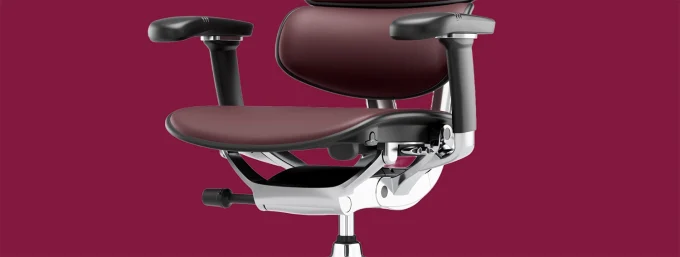
Arm pads, headrests, seating components and other high-use parts may also be replaceable depending on the model.
This is why searches for Ergohuman replacement parts are often made by people who have owned their chair for several years and still find the main structure comfortable.
If the chassis, seat, backrest and ergonomic mechanism remain in good condition, replacing a gas cylinder or wheel set can be a very economical way to extend the chair’s service life.
It also prevents an otherwise functional chair from becoming unnecessary waste simply because one wear component eventually failed.
Maintaining Ergohuman Accessories After Installation
Replacement parts and accessories should be treated as part of the chair’s wider maintenance routine.
Check components periodically for unusual movement, keep castors free from hair and debris and pay attention to any change in how the chair adjusts.
The same principle applies when installing optional accessories.
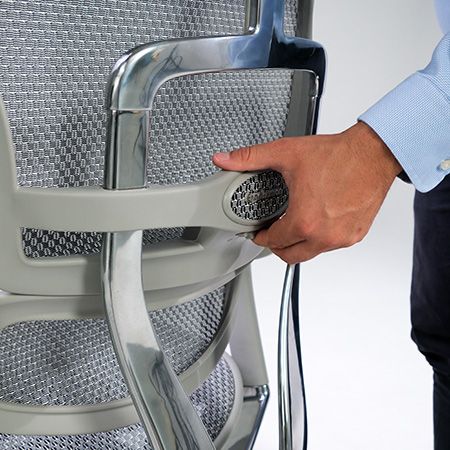
For example, Ergohuman provides dedicated installation instructions for chair accessories such as its Ergohuman coat hanger installation. Following model-specific instructions rather than assuming every chair component attaches in the same way helps avoid damaging frames, plastic components or mounting points.
This is particularly important because different Ergohuman generations can use different components.
Before fitting any Ergohuman replacement parts, confirm your chair model and generation so you know the part is intended for your exact configuration.
When Should You Repair Your Office Chair?
Repair makes the most sense when the underlying chair remains structurally sound and you are satisfied with its ergonomics.
If your chair still provides comfortable lumbar support, the recline mechanism works correctly, the armrests remain functional and the seat and backrest are in good condition, replacing one failed cylinder or set of castors is usually a logical choice.
A relatively small replacement component can restore normal operation.
This is especially true for premium ergonomic chairs that were designed with replaceable parts in mind.
An office chair gas cylinder replacement NZ can therefore be viewed as routine long-term maintenance rather than a major repair.
When Is It Better to Upgrade the Entire Chair?
There comes a point where continuously replacing individual parts may no longer make sense.
If several components are worn at the same time, the chair no longer supports you correctly or the ergonomic design no longer matches your working requirements, upgrading may provide better long-term value.
Changes in your working habits can also influence this decision.
A basic chair that was originally used for occasional home administration may no longer be appropriate if you now work remotely eight hours a day.
Likewise, someone who has developed different seating preferences may benefit from newer features such as adjustable lumbar tension, seat depth adjustment, forward tilt and more advanced recline controls.
Repair should preserve a chair that still works well for you. It should not become a reason to continue using a chair that no longer fits your body or workplace.
Office Chair Gas Cylinder Replacement NZ: Repair Instead of Replace
A sinking office chair can be frustrating, but it does not automatically mean the entire chair is finished.
For many users, an office chair gas cylinder replacement NZ is enough to restore correct height adjustment and add years of additional service to a quality ergonomic chair.
The same applies to worn castors. Cleaning can resolve some rolling problems, while compatible replacement wheels can address genuine wear or damage.
The key is using components that fit the specific chair rather than choosing solely by appearance or the cheapest generic listing.
For Ergohuman owners, genuine Ergohuman replacement parts make it possible to maintain older and current chair models without immediately replacing the entire seating system.
Approach gas-cylinder work carefully because the cylinder is a sealed pressurised component, never attempt to puncture or dismantle it, and use a proper removal method when the friction-fit connection has become difficult to release.
With the right replacement gas lift, suitable castors and occasional maintenance, a well-built ergonomic office chair can remain an important part of your New Zealand workspace for many years.




 ErgoHuman Staff24 July 20269 Mins read
 ErgoHuman Staff24 July 20269 Mins read